Virtual Power Plants Could Halve Projected Household Electricity Bill Hikes
Scaling residential virtual power plants across the United States could slash expected electricity bill increases by more than 50% over the next five years. A new Brattle Group report suggests that tapping into flexible home energy technologies offers a viable path to curbing rising utility costs for millions of consumers.
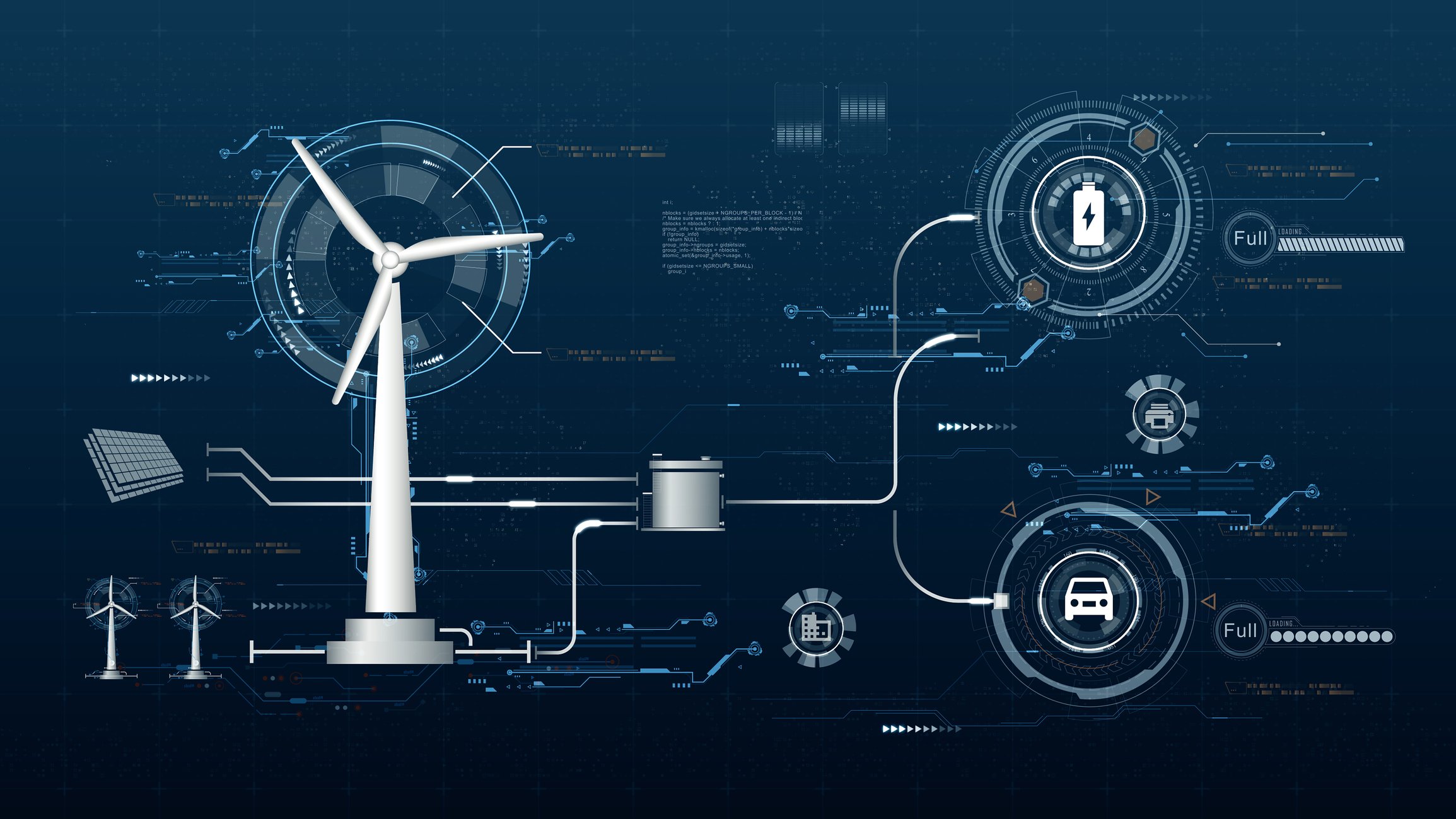
The analysis, authored by Ryan Hledik and Kailin Graham for Everyday Electric, identifies a massive, underutilized capacity within residential demand flexibility. By aggregating smart thermostats, electric vehicles, and home batteries, utilities could unlock up to 25 gigawatts of additional capacity nationwide. This shift would provide a cost-effective alternative to expensive, traditional gas-fired generation, which has seen prices climb due to supply-chain constraints and surging demand.
For a typical utility serving one million residential customers, scaling these virtual power plants to 300 megawatts could generate $65 million in annual savings on generation and infrastructure upgrades. Of that total, $56 million would flow back to consumers through lower system costs and direct payments to participants. While households actively enrolled in virtual power programs stand to offset nearly all of their projected inflation-adjusted bill increases, non-participating customers also benefit from the reduced system-wide pressure, potentially seeing their own cost hikes reduced by over a third.
Comments (0)
No comments yet. Be the first!