The Hidden $54 Billion Cost of the US-Iran Conflict for Households
While the conflict in Iran winds down and the Strait of Hormuz begins to reopen, the economic fallout for American consumers remains stark. Estimates from the Institute on Taxation and Economic Policy reveal that the 110-day war has already drained $54 billion from household budgets in inflated fuel costs.
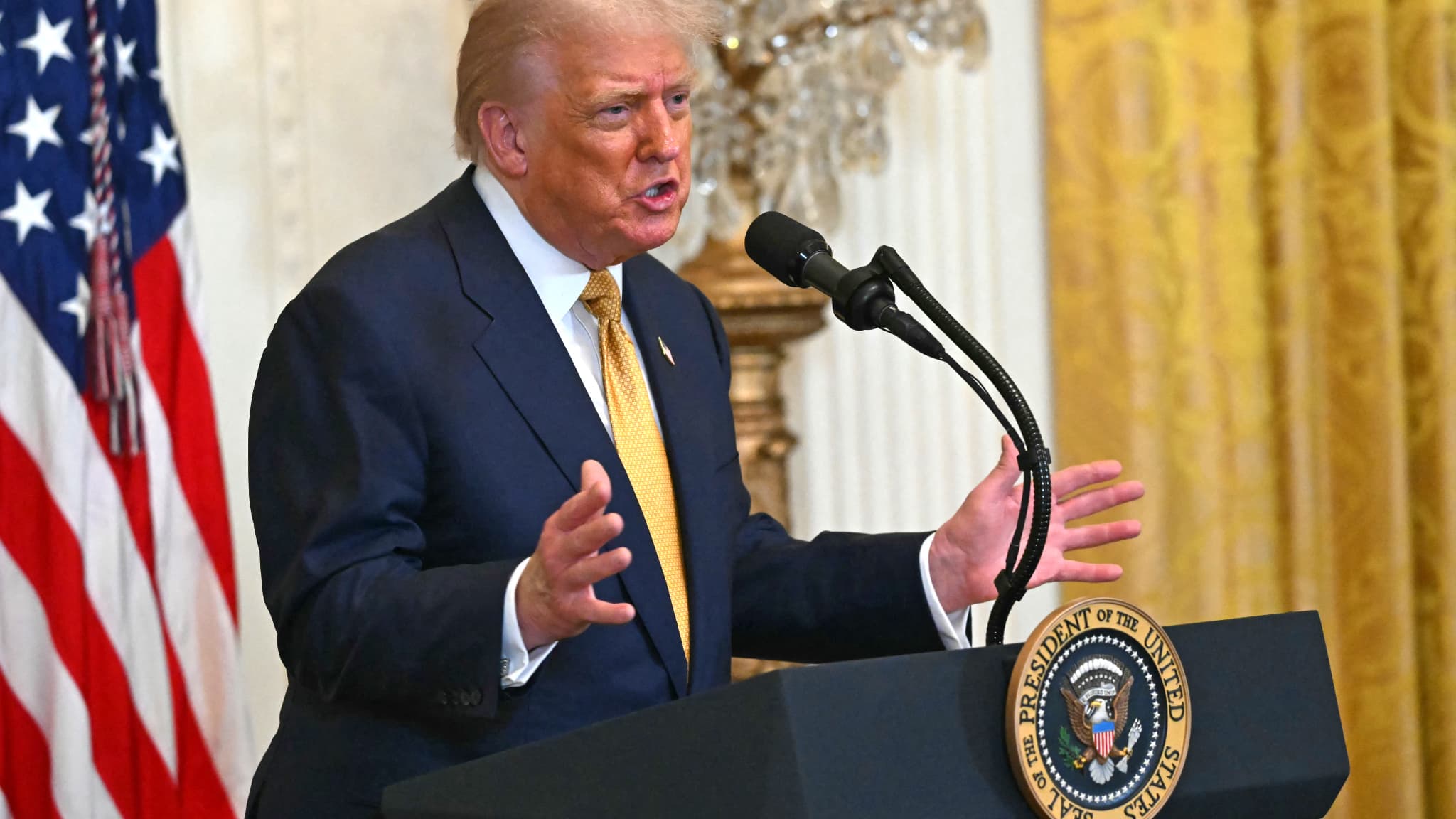
President Donald Trump recently cited the threat of economic catastrophe to justify the memorandum of understanding with Iran, positioning the move as a necessary step to stabilize gas prices. While the administration claims credit for a dip in costs, current prices remain 25% higher than this time last year. Experts warn that the normalization of supply chains is far from immediate. Even with the Strait of Hormuz reopening, logistical hurdles—including cautious shipping routes and long-lead refinery purchasing cycles—mean that relief will be slow to materialize.
Analysts at GasBuddy suggest the path to pre-war pricing could stretch into late 2027. Meanwhile, the fossil fuel industry has seen a massive windfall. According to data from 350.org, the sector secured an additional $374 billion in profits during the conflict. With projections from the International Monetary Fund suggesting this wealth transfer could reach $700 billion by year-end, the financial impact of the war persists long after the military tension has subsided.
Comments (0)
No comments yet. Be the first!