New Research Challenges Traditional Scoliosis Treatment Limits
For years, scoliosis bracing was considered merely a defensive measure to prevent further spinal degradation. New clinical data presented at the 2026 SOSORT Congress in Turin, Italy, suggests a shift in perspective: with high-quality 3D bracing and rigorous monitoring, active spinal curve improvement is now a measurable goal.
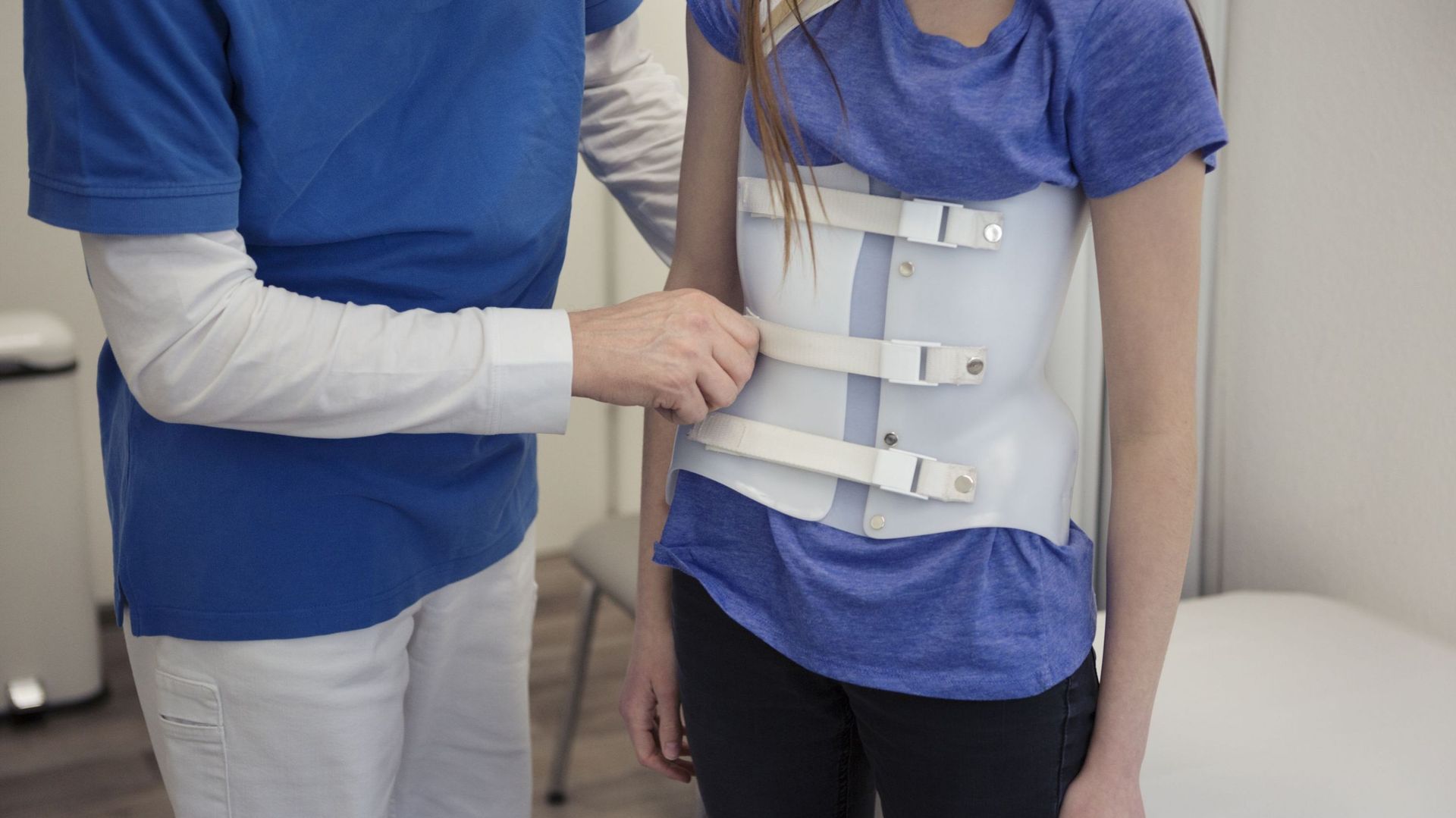
The study, which tracked 267 patients, provides evidence that growth modulation is achievable in both Adolescent and Early Onset Scoliosis regardless of the condition's origin. Co-authored by an international team including Dr. Sabrina Donzelli and National Scoliosis Center founder Luke Stikeleather, the findings indicate that success hinges on the precision of the Rigo Cheneau-style bracing and the frequency of clinical oversight.
Dr. Donzelli emphasizes that the highest success rates correlate with shorter intervals between follow-up appointments and consistent, full-time brace wear. By identifying the condition early, while the patient is still growing, clinicians can move beyond stabilization to actual correction. For families, the research serves as a reminder that summer months—when physical asymmetries like uneven shoulders or hips become more visible in swimwear—represent a vital window for early detection and potential avoidance of surgical intervention.
Comments (0)
No comments yet. Be the first!