Eno: Why the next generation of robots is shedding its human face
Genesis AI is betting that the future of robotics lies not in mimicking our anatomy, but in replicating our dexterity. Its new machine, Eno, discards the traditional head and legs for a compact, modular frame, proving that a robot does not need a human silhouette to master a human environment.
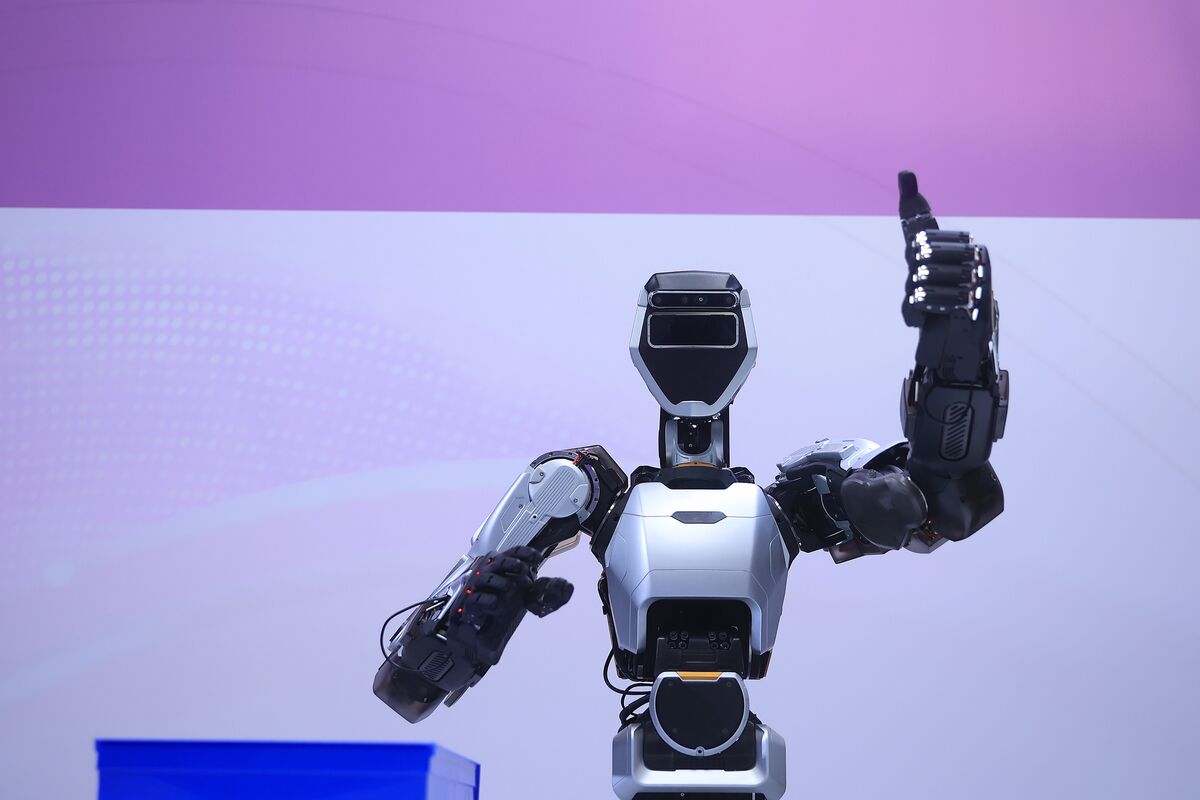
The French startup, backed by former Google CEO Eric Schmidt, argues that form must follow function. Rather than building a machine that looks like a person, Genesis designed Eno as a general-purpose tool capable of navigating spaces built for us. The robot can fold down like a deck chair or operate from a wheeled base, prioritizing utility over aesthetics. The only vestige of human anatomy is found in its hands, which the company engineered to mirror our own. This design choice ensures the robot can manipulate existing tools and objects without requiring a custom-built infrastructure.
Production is slated to begin by the end of 2026. Genesis aims to integrate Eno into manufacturing, laboratories, and logistics sectors first, before expanding into hospitals, hotels, and eventually the consumer market. While this initial model prioritizes versatility, the company confirmed that additional physical embodiments are currently in development to address more specific industrial needs.
Comments (0)
No comments yet. Be the first!