Climate Tracker Warns 1.5°C Overshoot Could Become Irrecoverable
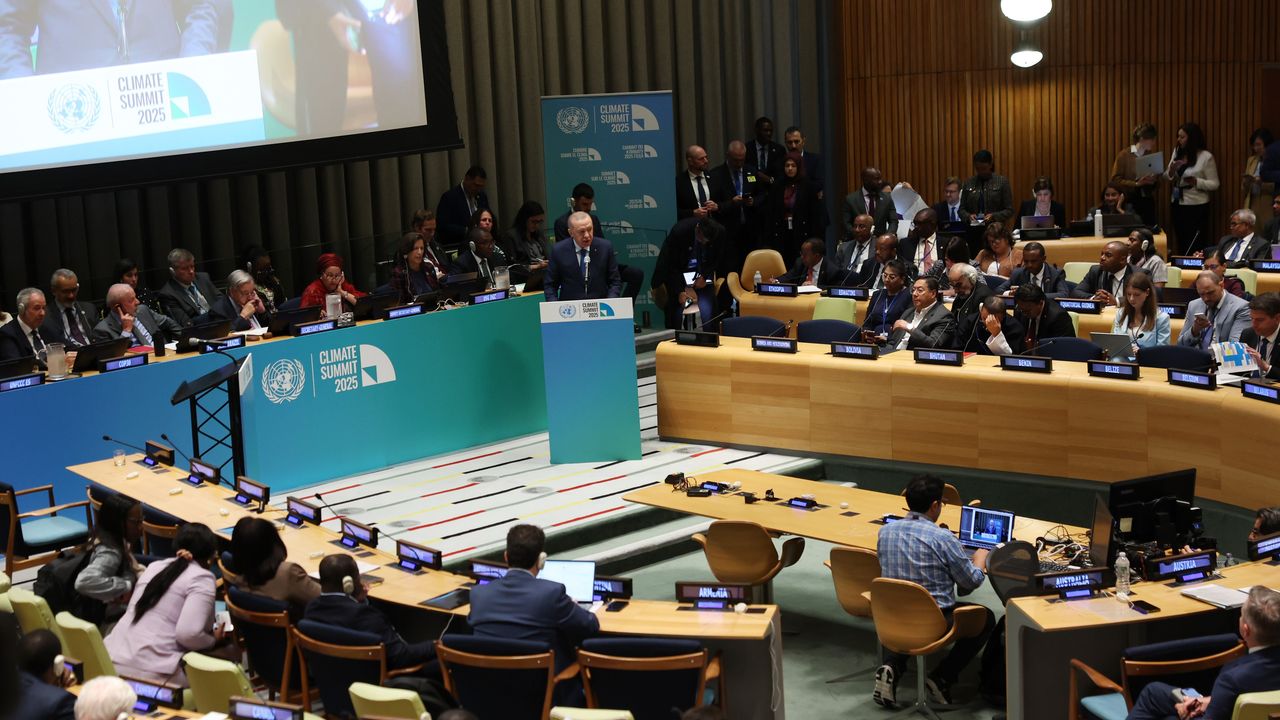
At COP31 in Türkiye, Climate Action Tracker warned that the world is heading for an “irrecoverable overshoot” of the 1.5°C warming limit unless countries rapidly cut emissions to reduce how far temperatures rise beyond it and for how long.
The tracker’s latest assessment says warming by 2100 would reach 2.7°C under current policies, up slightly from its 2.6°C estimate for 2021–2024. Global climate action, it said, has effectively stalled for five years as progress and setbacks offset one another.
Even if governments meet their 2030 and 2035 targets, the projected rise remains 2.6°C by 2100. Including those targets and countries’ longer-term commitments brings the estimate to 2.1°C, down from 2.2°C last year. The most optimistic scenario—full implementation of all announced and net-zero pledges—still projects 1.9°C, meaning a lasting breach of the Paris Agreement’s 1.5°C limit and warming close to 2°C.
The report says the 2035 round of national climate pledges has not meaningfully improved the end-of-century outlook. It identifies five priorities for limiting the scale and duration of overshoot: moving away from fossil fuels, making deep methane cuts, rapidly electrifying economies with renewable power, using carbon dioxide removal to complement rather than replace emissions cuts, and ending deforestation.
Sarah Heck, the report’s lead author and a Climate Analytics policy analyst, said governments are not adopting policies quickly enough and cited the United States, Canada and New Zealand as countries rolling back climate action. Climate Analytics chief executive Bill Hare said governments must choose between continued support for fossil fuels and available, increasingly affordable alternatives. He warned that every increment of warming above 1.5°C brings greater consequences for climate, nature and human systems.
Climate Action Network International gave New Zealand its satirical “Fossil of the Day” award during the summit, accusing it of dismantling climate commitments under Prime Minister Christopher Luxon. The group also criticized the absence of leaders from several wealthy countries, including Canada, Denmark, France, Germany, Ireland, Italy, Japan, the Netherlands and Sweden.
A series of recent assessments by the UN Environment Programme and the World Meteorological Organization has also warned of a temporary breach of 1.5°C. Scientists have cautioned that warming can trigger further emissions as permafrost, wetlands and wildfires release carbon dioxide, methane and nitrous oxide. COP31 host Türkiye was ravaged by wildfires in September.
Niklas Höhne of the NewClimate Institute said disruptions to shipping through the Strait of Hormuz underscore the vulnerability created by geopolitical shocks and strengthen the case for renewables and electrification. He added that global emissions may be nearing a peak and could decline faster than previously expected.
Comments (0)
No comments yet. Be the first!