Why Sports Injuries Trigger Lingering Chain-Reaction Pain
A hamstring strain today often manifests as lower back tightness tomorrow. When an injury occurs, the body instinctively shifts its load to neighboring structures, creating a cycle of compensation. Chiropractic expert Dr. Colm Murphy suggests that ignoring these underlying movement imbalances is the primary reason sports pain frequently returns.
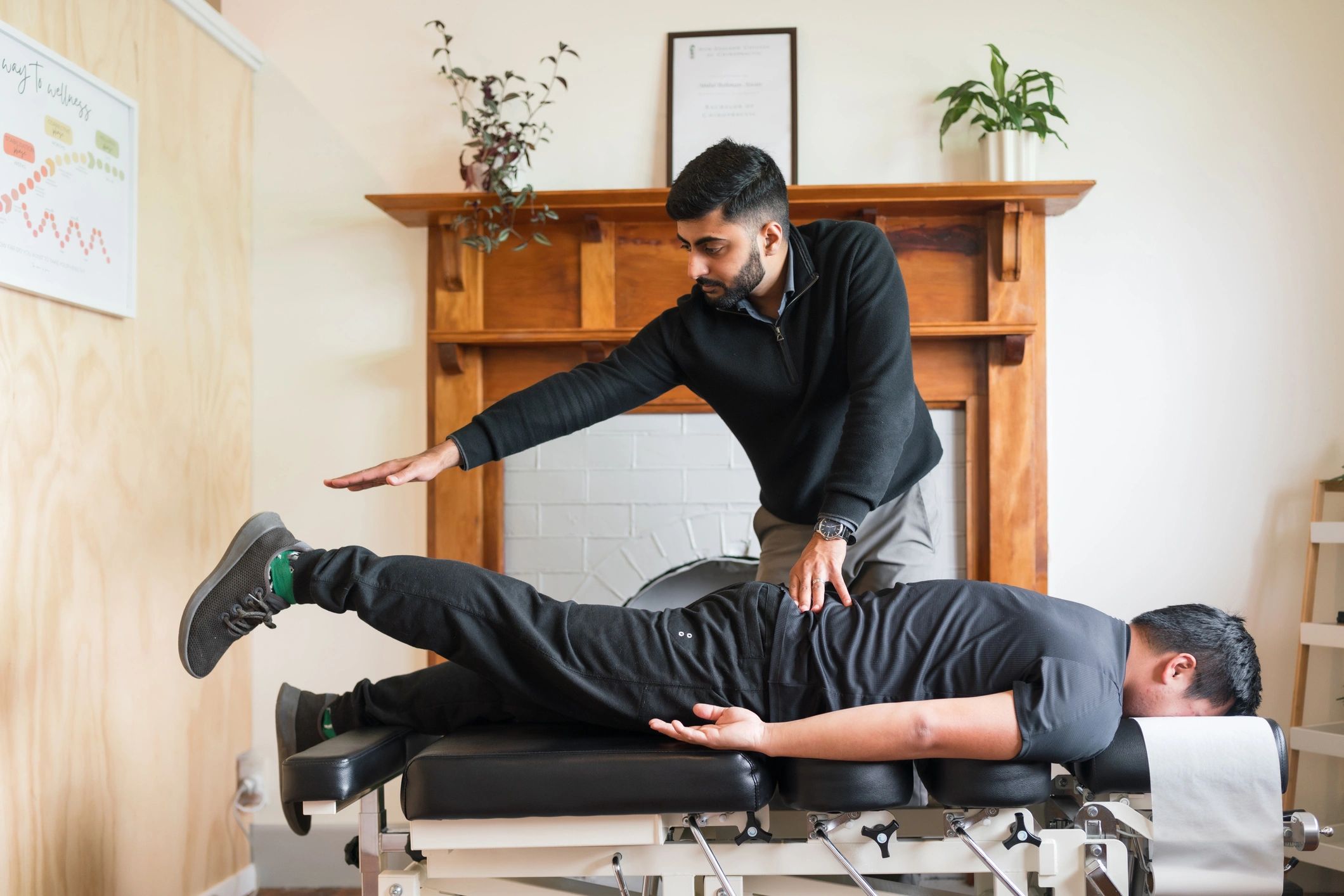
The human body operates as an interconnected mechanical system where no joint functions in isolation. When a specific area suffers an injury or inflammation, the surrounding muscles often guard the region, limiting mobility. This protective response is beneficial during the initial healing phase but becomes counterproductive if the restriction persists. Over time, these compensatory patterns force healthy joints to absorb loads they were not designed to sustain, leading to secondary discomfort in areas far removed from the original site of trauma.
Active adults frequently fall into a cycle of strain, brief improvement, and eventual re-injury because they focus solely on the immediate symptom rather than the systemic issue. For example, restricted hip mobility can disrupt stride mechanics, placing excessive stress on the knees and lumbar spine. Similarly, shoulder dysfunction often stems from a lack of coordination between the rotator cuff and the mid-spine. Dr. Colm Murphy, based in Brighton, New York, emphasizes that effective recovery requires a comprehensive clinical evaluation. By analyzing posture, movement quality, and muscle function as a whole, practitioners can identify the root cause of these ripple effects. Returning to high-impact activities like running or cycling before correcting these foundational imbalances significantly increases the likelihood of chronic recurrence.
Comments (0)
No comments yet. Be the first!