Tencent Battles AI Energy Surge in Push Toward 2030 Carbon Neutrality
Artificial intelligence is fueling a massive spike in data center power demands, forcing tech giants to rethink their energy strategies. Tencent’s latest mid-term report reveals a 6.5 billion kWh shift toward green electricity and a new infrastructure architecture designed to curb the environmental footprint of high-density AI computing.
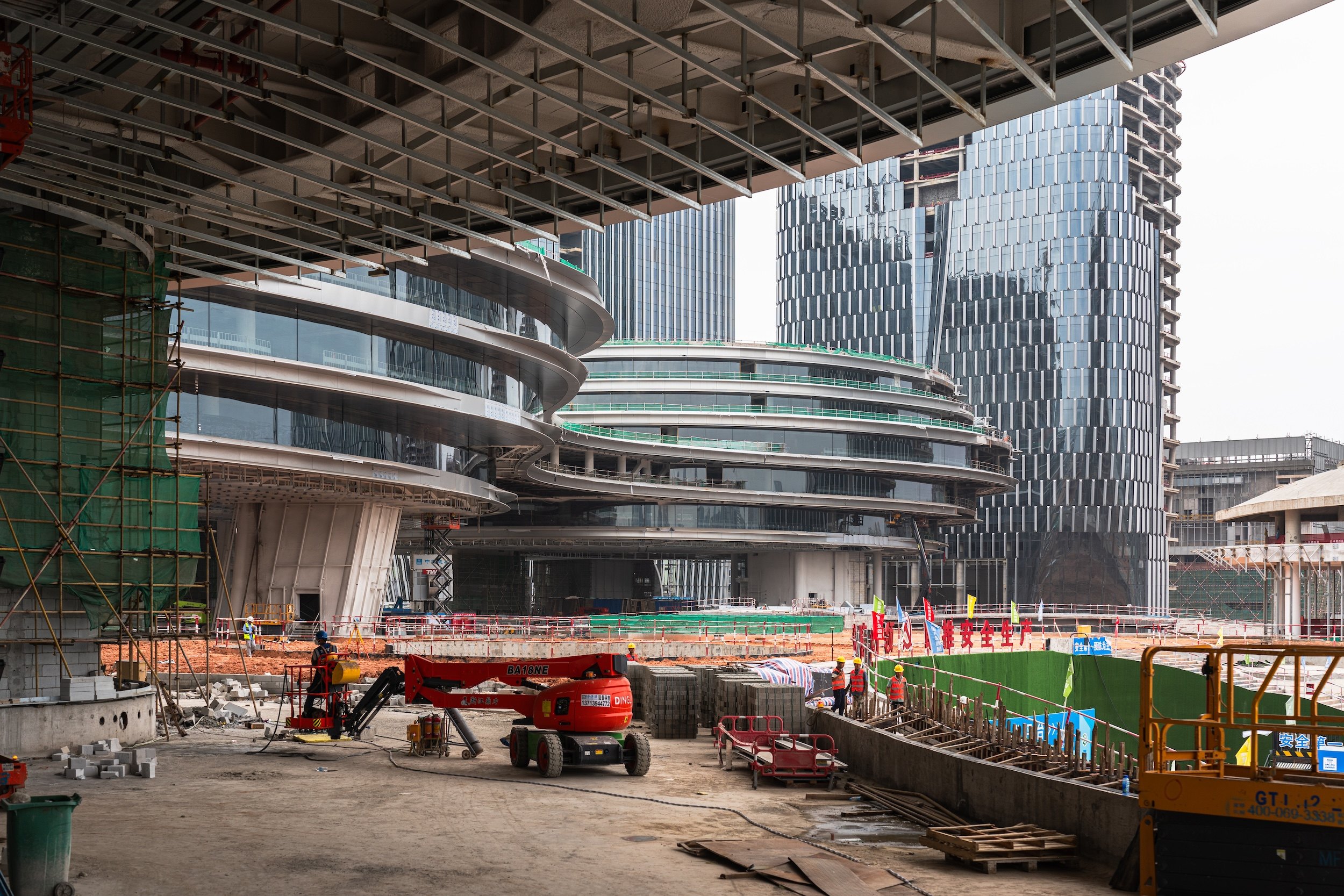
The core challenge lies in the sheer intensity of modern AI workloads, which have pushed rack power requirements from a standard 6–8 kW to as much as 100 kW. To counter this, the company developed T-AIDC, a next-generation data center architecture that manages this high-density demand while achieving 98% power-supply efficiency. This shift is central to meeting the company’s 2030 carbon neutrality goal, a target that hinges on a strict mitigation hierarchy of avoiding, reducing, and replacing emissions.
Progress is already visible in the company’s energy mix. Renewable electricity consumption climbed to 48.5% in 2025, up from 22% the previous year, with owned data centers reaching an 82.9% renewable share. Beyond its own operations, Tencent is deploying AI-driven scheduling in heavy industries like steel production to optimize energy usage and stabilize grids. Through initiatives like the CarbonX Program and the TanLIVE intelligence platform, the firm is attempting to bridge the gap between climate-tech research and real-world deployment, aiming to scale solutions in carbon removal and long-duration storage.
Comments (0)
No comments yet. Be the first!